How to Build an ARC Team for Romance Authors A practical guide to finding romance readers who love your tropes,...


You wrote the romance. The cover is ready. Your release date is getting closer.
Now you need people to actually read it.
More specifically, you need the right people to read it.
Building an ARC team for romance authors isn’t about collecting as many readers as possible. A reader who loves sweet small-town romance isn’t necessarily going to jump at your dark stalker romance. A devoted historical romance reader might not be interested in your contemporary sports romance.
Romance readers know what they like.
That’s actually good news.
Romance authors have genres, tropes, spice levels, character dynamics, and emotional promises that can make finding the right ARC readers much easier once you know how to use them.
ARC stands for Advance Reader Copy. An ARC is an early copy of your book that you provide to readers before or around publication.
An ARC team is the group of readers who receive those copies and have the opportunity to leave honest reviews.
ARC readers are different from beta readers.
Beta readers typically read an earlier version of your manuscript and provide feedback that may help you revise the story. ARC readers generally receive the finished or nearly finished book. At that point, you’re no longer asking them to help you write it.
You’re asking them to read it.
Start by identifying the exact type of romance reader your book is written for. Recruit those readers through your existing audience, social media, reader communities, previous reviewers, and ARC resources. Clearly communicate your book’s subgenre, tropes, heat level, important dates, and ARC expectations. After your campaign, keep track of reliable readers and invite them back for future releases.
Let’s break that down.
One of the easiest ways to make ARC recruitment harder is to advertise:
“Romance readers wanted!”
That’s incredibly broad.
Think about how many different books fall under romance.
Contemporary. Historical. Paranormal. Dark romance. Romantic comedy. Sports romance. Small-town romance. Why choose. Fantasy romance. Cozy romance.
And those categories can break down even further.
Before recruiting readers, identify your book’s:
Then use those details when you recruit.
Instead of:
“I’m looking for ARC readers for my new romance!”
Try:
“I’m looking for ARC readers who love spicy small-town romance, forced proximity, grumpy/sunshine couples, meddling neighbors, and guaranteed happily-ever-afters.”
Now the right reader can immediately think:
That’s my kind of book.
And someone who hates those things can keep scrolling.
That’s okay.
Your goal isn’t to convince every romance reader to join your ARC team. Your goal is to find the ones most likely to genuinely enjoy your story.
Before you go looking for hundreds of strangers, look at the audience you’ve already built.
Potential ARC readers might already be among your:
If you’ve published books before, start with people who have already shown interest in your writing.
Someone who reviewed your previous small-town romance and loved it may be an excellent candidate for your next small-town romance.
But don’t assume every previous reader wants every future book.
If you’re switching subgenres or writing something substantially different, tell them.
The reader who adored your closed-door holiday rom-com deserves to know that your next release is a much darker romance with explicit content before agreeing to read it.
Being specific helps you recruit a better-fitting ARC team.
You can still build an ARC team without an existing readership.
You’ll simply spend more of your campaign finding readers instead of recruiting from an established audience.
That’s where targeted reader communities and social media become particularly useful.
If you’re starting from scratch, go where romance readers already are.
Search for content surrounding your subgenre, tropes, and comparable books.
Don’t just search:
romance books
Try searches connected to the actual reader you need:
hockey romance
dark romance books
enemies to lovers books
small town romance
romantasy recommendations
Pay attention to the people actively discussing and reviewing those books.
The same principle applies to Instagram.
Look for readers who regularly post reviews and recommendations within your niche.
An account doesn’t need tens of thousands of followers to potentially be a valuable ARC reader.
You’re building a reader team, not necessarily an influencer campaign.
Romance-specific reader groups can put you directly inside communities built around certain subgenres, authors, and tropes.
But check the rules first.
Some groups allow ARC opportunities and author promotion. Others restrict them or prohibit them completely.
Don’t join a reader community and immediately start dropping your ARC link everywhere.
Goodreads can help you understand the audience surrounding books similar to yours and what those readers respond to.
Use comparable titles as research. What are readers praising? What tropes do they mention? What other books are they reading?
As your author career grows, your email list can become one of your most valuable places to recruit.
Unlike a social media audience, you’re not relying on an algorithm to decide whether readers see your ARC announcement.
This is also why you shouldn’t think about each ARC campaign as an isolated event. Every book gives you an opportunity to build relationships that make the next launch easier.
This is one of the biggest changes I recommend when authors struggle to get ARC sign-ups.
Stop making “FREE BOOK!” the main selling point.
You’re not really selling free.
You’re selling the story.
Think about the difference between these two posts.
ARC READERS WANTED!
My new romance releases next month. Get a free early copy in exchange for an honest review. Link in bio!
He owns the only bar in town. She just inherited the building it’s in. Neither one plans to leave.
If you love enemies-to-lovers, forced proximity, small-town gossip, high spice, and a guaranteed HEA, I’m looking for ARC readers for my upcoming romance.
The second one gives the reader something to want.
That’s how I approach ARC recruitment for authors, too. I’m not simply looking for people willing to take a free book. I’m looking for the people who have a reason to want this particular book.
Your ARC recruitment content can feature:
And don’t post about your ARC once and assume nobody wants it if the sign-ups don’t immediately arrive.
ARC recruitment is a campaign.
Give readers multiple opportunities to discover the book.
You got someone interested enough to click.
Now make signing up easy.
Your ARC page doesn’t need to be complicated.
A simple structure could be:
Book cover
↓
One-sentence hook
↓
Subgenre + tropes
↓
Heat/spice information
↓
Short book description
↓
Relevant content information
↓
Important dates
↓
ARC expectations
↓
Sign-up form
Your reader should understand what they’re signing up to read almost immediately.
Don’t bury the tropes underneath a massive synopsis.
And don’t turn the application into a job interview.
Collect the information you actually need to manage your campaign without adding unnecessary steps.
A common misconception is that the “best” ARC readers are people with huge social media accounts.
Not necessarily.
There’s an important difference between an ARC reader and an influencer.
An ARC reader’s primary purpose is to read your book and potentially share an honest review.
When considering applicants, you may care about things like:
A romance reader with 300 followers who absolutely devours hockey romances could be a much better fit for your hockey-romance ARC than someone with 50,000 followers who rarely reads romance.
Build for reader fit, not vanity numbers.
Your ARC readers shouldn’t have to guess what happens next.
Before distributing the book, make sure they know things such as:
And make one thing very clear:
You’re asking for an honest review, not a positive one.
An ARC isn’t a transaction where a free book buys you five stars.
Readers need the freedom to form their own opinions about your story.
Current Amazon policy allows authors to provide free or discounted copies of their books as long as the author doesn’t require a review or attempt to influence it. Amazon also prohibits offering additional compensation, such as a gift card, in exchange for a review.
If you’re asking readers to post on other retailers, review platforms, or social media, check those platforms’ current policies as well.
There’s no universal perfect ARC timeline.
A 200-page rom-com and a 600-page fantasy romance require very different reading commitments.
Your timeline can depend on:
There’s also an important distinction:
Recruitment time is not reading time.
If you want readers to have several weeks to read your book, you need to recruit them before that reading period begins.
Waiting until the last minute can leave you trying to recruit, distribute, communicate, and collect reviews all at once.
Give yourself room to run the campaign.
Signing up isn’t the end of the ARC campaign.
People forget.
Emails disappear inside inboxes.
Books get buried underneath other books.
A reader can be genuinely excited about your novel and still need a reminder.
A simple communication sequence might look like:
Welcome → ARC delivery → friendly check-in → release/review reminder → final follow-up → thank you
Your communication should make participation easier, not make readers feel pressured.
Provide direct review links when they’re available.
Remind readers of important dates.
Help them if they’re having trouble accessing the book.
And give them a clear way to contact you.
The goal is support, not:
WHERE IS MY REVIEW?!
Nobody wants that email.
This is where your ARC team becomes especially valuable.
Your first campaign might require a lot of recruitment.
Your second shouldn’t necessarily require the same amount.
After each campaign, keep track of readers who:
Then invite appropriate readers back.
You can also track their preferences.
Maybe Sarah loves your dark romances but isn’t interested in your rom-coms.
Maybe Jessica reads everything you write.
Maybe Mia only wants your paranormal romances.
That information becomes increasingly valuable as your catalog grows.
The long-term goal isn’t simply to get reviews for one release.
It’s to build a community of readers who are excited when you tell them:
I have another book coming.
There isn’t one correct number of ARC readers for every author or book.
Your ideal team size depends on your goals, genre, existing readership, recruitment strategy, and ability to manage the campaign. A smaller group of well-matched, engaged readers can be more useful than a much larger list of people who aren’t particularly interested in your book.
Focus on building the right team rather than chasing an arbitrary number.
Yes.
Start by identifying your exact target reader and looking for those readers in genre-specific communities, BookTok, Bookstagram, Goodreads, ARC resources, and other places where people already discuss books like yours.
You don’t need thousands of existing followers before you’re allowed to start recruiting.
An ARC should not be offered in exchange for a guaranteed positive review.
Authors can ask readers to leave honest reviews and clearly communicate their ARC expectations, but review requirements and policies can vary by platform. Always check the current rules of the retailer or review platform you’re using.
Either can work.
Digital ARCs are generally easier to distribute to a larger number of readers and don’t require printing or shipping. Physical ARCs can create a different reader experience and may be useful for certain promotional strategies, but they’re more expensive to produce and distribute.
Choose based on your budget, campaign goals, and audience rather than assuming you need physical copies to run a legitimate ARC campaign.
Start early enough to account for both recruitment and reading time.
How early that needs to be depends on your book length, existing audience, release schedule, and how difficult it will be to recruit your target number of readers.
If you’re building an ARC team from scratch, give yourself more time than an established author who already has a reliable reader team.
A successful ARC team for romance authors isn’t necessarily the biggest one.
It’s the one filled with the right readers.
Readers who love your subgenre.
Readers who get excited about your tropes.
Readers who understand what they’re signing up for.
Readers who enjoy being part of your launches enough that when you announce another book, they want to come back.
Your first ARC campaign might take work.
That’s normal.
But you’re not just collecting reviews for one release. You’re building relationships with readers who could follow your books for years.
If you want to run your campaign yourself but need a little help getting started, download my free Fiction Author’s Quick-Start Guide to ARC Teams for a simple introduction to planning and managing your ARC team.
Recruiting readers is only one piece of an ARC campaign.
There are also applications, distribution, reader communication, troubleshooting, reminders, review links, tracking, and follow-up.
That’s exactly what Order of the Bookish helps authors manage through done-for-you ARC campaigns.
You write the romance. I’ll help you find the readers.
How to Build an ARC Team for Romance Authors A practical guide to finding romance readers who love your tropes,...
How to Find ARC Readers for Fiction Authors Where to find the right readers, how to get them interested, and...
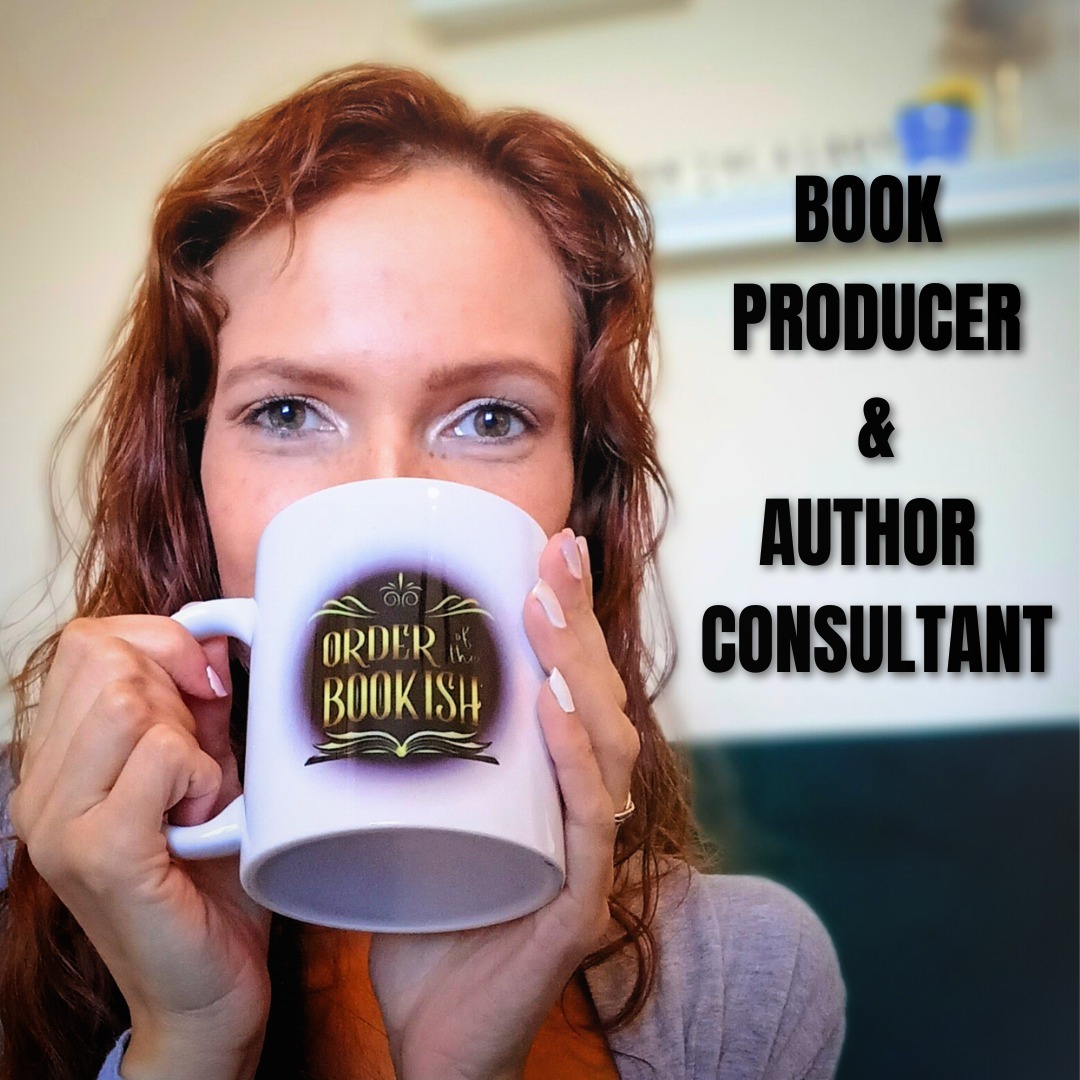
Who is Tia Christine? A Passionate Author, Book Marketing Expert, and Indie Author Advocate Tia Christine is a storyteller, strategist,...
Choosing the Perfect Name for Your Female Character Why Your Character’s Name Matters Naming your characters might seem like a...

The Evolution of Spicy Books Origins, Controversies, and Evolution of Spicy Books These days, “spicy” books are hotter than ever—literally...

Amazon Audible: Is It Worth the Hype? A convenient way to enjoy books In today’s fast-paced world, finding time to...
Street Teams and Author Interviews INSIGHTS, SPOTLIGHTS, AND TIPS FOR YOUR BOOK MARKETING Welcome to the latest edition of the...
Reaching your next Book Marketing Milestone Order of the Bookish May Author Newsletter What you’ll discover in this edition of...
Add Your Heading Text Here For many indie authors, Amazon Kindle Direct Publishing (KDP) has long been the go-to platform...